01
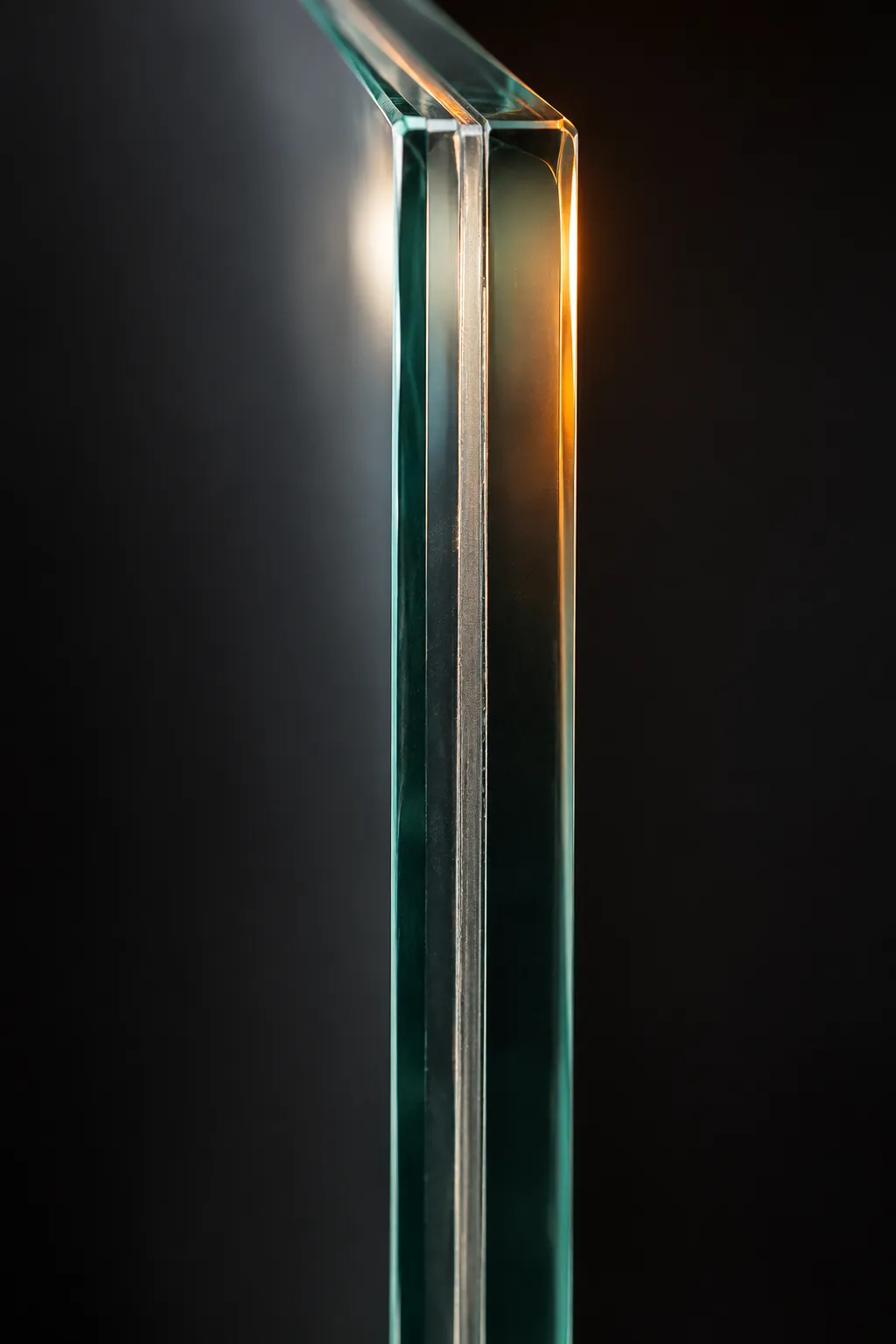
Two panes
Two sheets of clear float glass, cut and edged to size.
2panes
Fire-rated insulated glass, made in Singapore.
See how it is madeSingapore's first and only maker of fire-rated insulated glass. Two panes, one heat-stopping interlayer, made here to SCDF's rules.
For architects, fire engineers, QPs and door fabricators who need EI glazing without the import wait.
Read the standardsOrdinary fire glass stops the flames. Ours also stops the heat, so the far side stays safe to pass.
Two sheets of clear float glass, cut and edged to size.
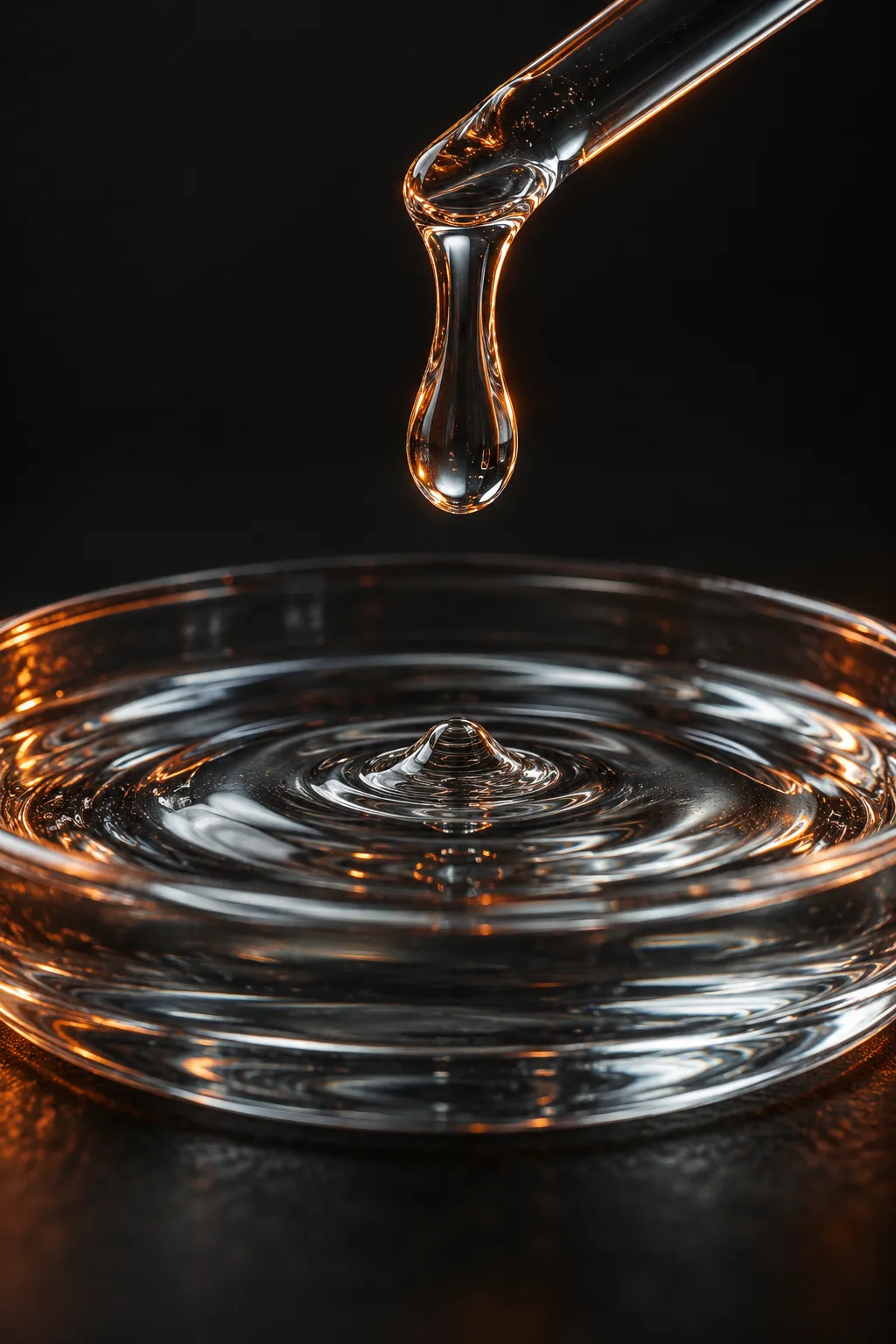
A fire-rated interlayer, imported from Germany, Japan and India.
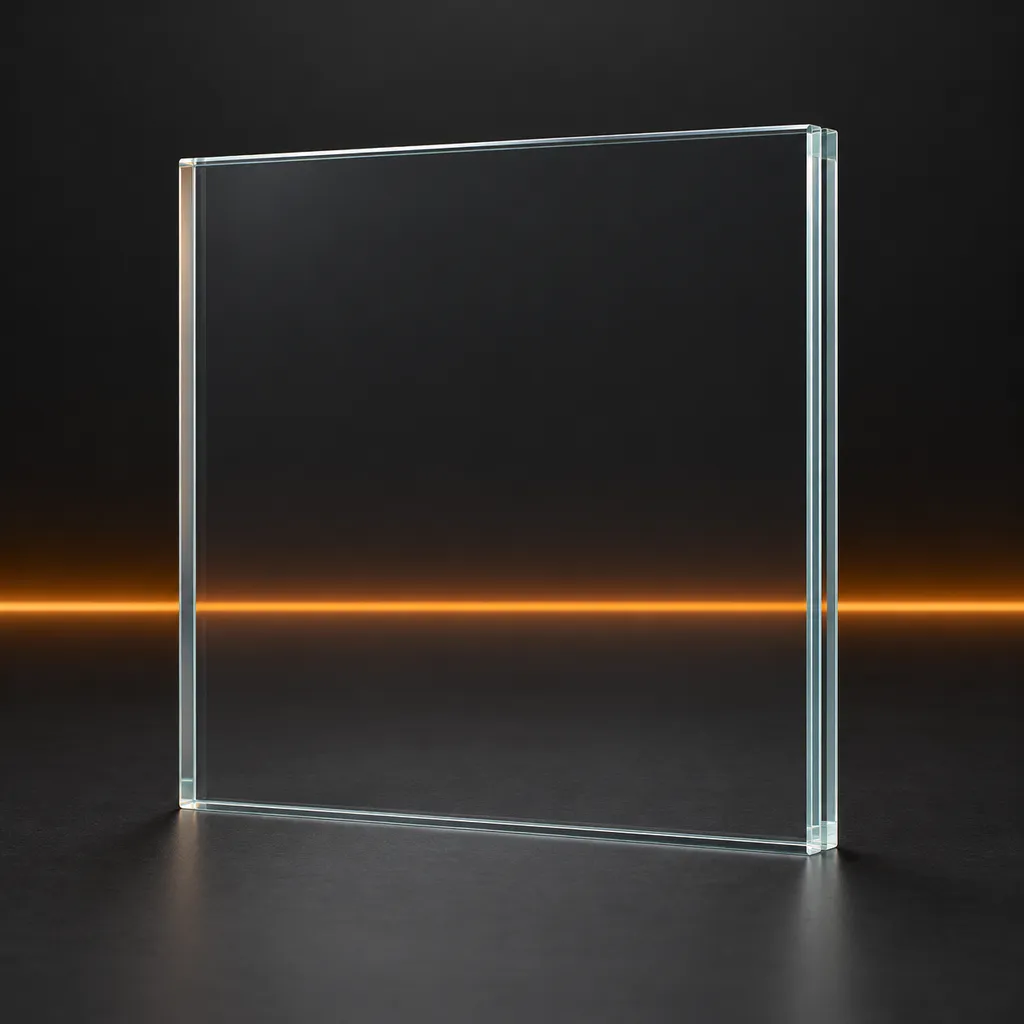
Poured between the panes and cured. Milky going in. Crystal clear coming out.
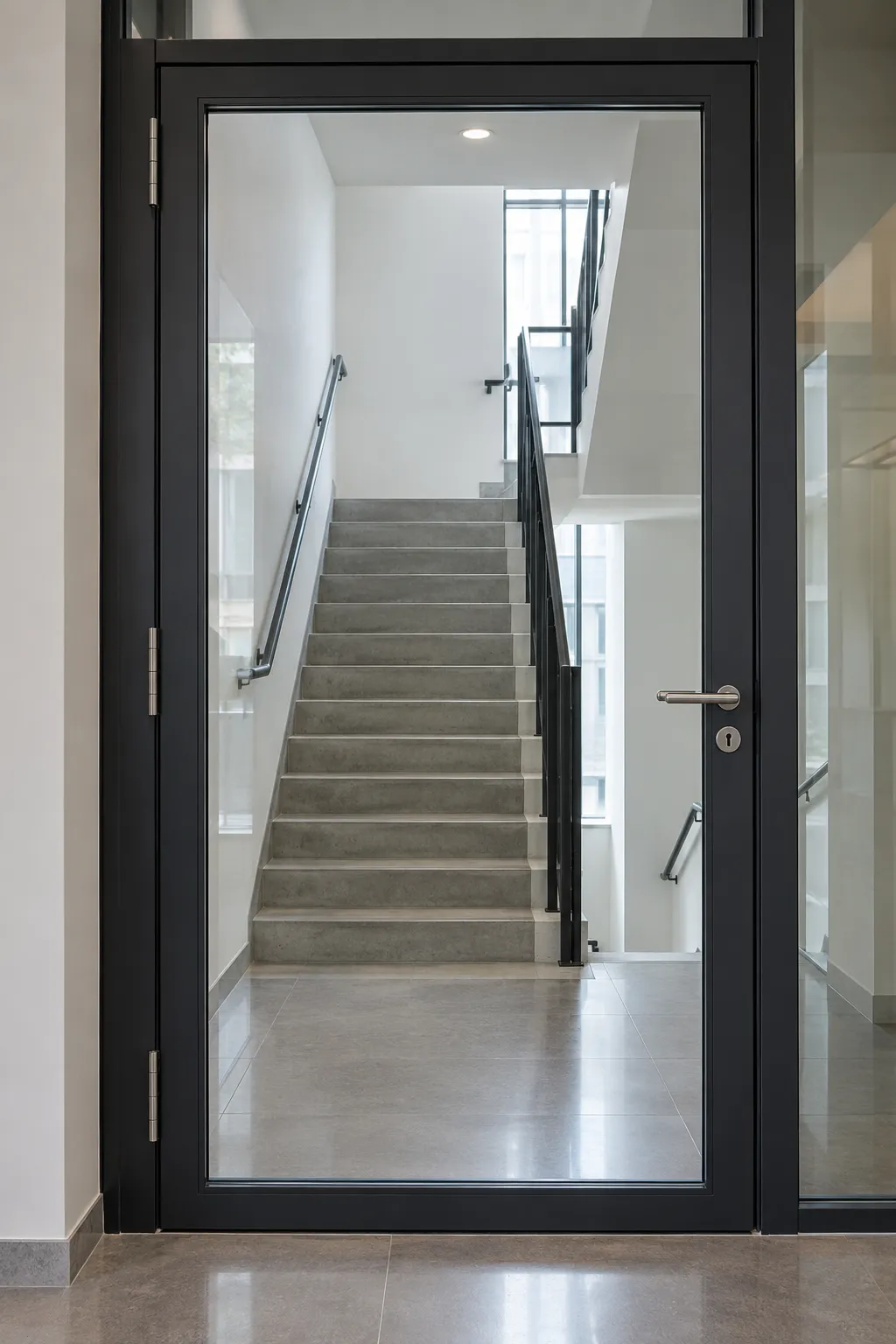
Built to SCDF requirements, with independent testing underway.
Fire-rated insulated glass is made in a handful of countries. We went to learn how.
Projects here imported it and waited, or settled for less.
The chemistry comes from Germany, Japan and India. The glass is made in Singapore.
SCDF is strict. We shaped the process around its rules, not the other way round.
Standard fire-rated glass holds back flame and smoke. Insulated glass also holds back the heat, so the protected face stays below about 201°C. People can pass it, and what is behind it does not ignite.
Where the Fire Code calls for an insulation rating, typically on protected escape routes, compartment walls and doors near exits. The fire engineer or QP confirms the rating for each opening.
The interlayer goes in as a milky liquid. Curing turns it crystal clear. In a fire, it foams into an opaque shield that blocks the heat.
No. We make the glass. Door fabricators and contractors build it into their tested systems.
It is built to SCDF's requirements, and independent testing is underway. Results will be published here first.